Connected devices have become a vital aspect of modern-day business. They collect data, automate processes and make it possible to run smarter operations. The management of a fleet of devices located in several locations, particularly as they grow, can be overwhelming. The operation of devices demands continuous attention, technical knowledge and security compliance. This is a requirement for software updates, system monitoring and performance optimization. This is where a well-organized managed service model transforms the complex into simplicity.
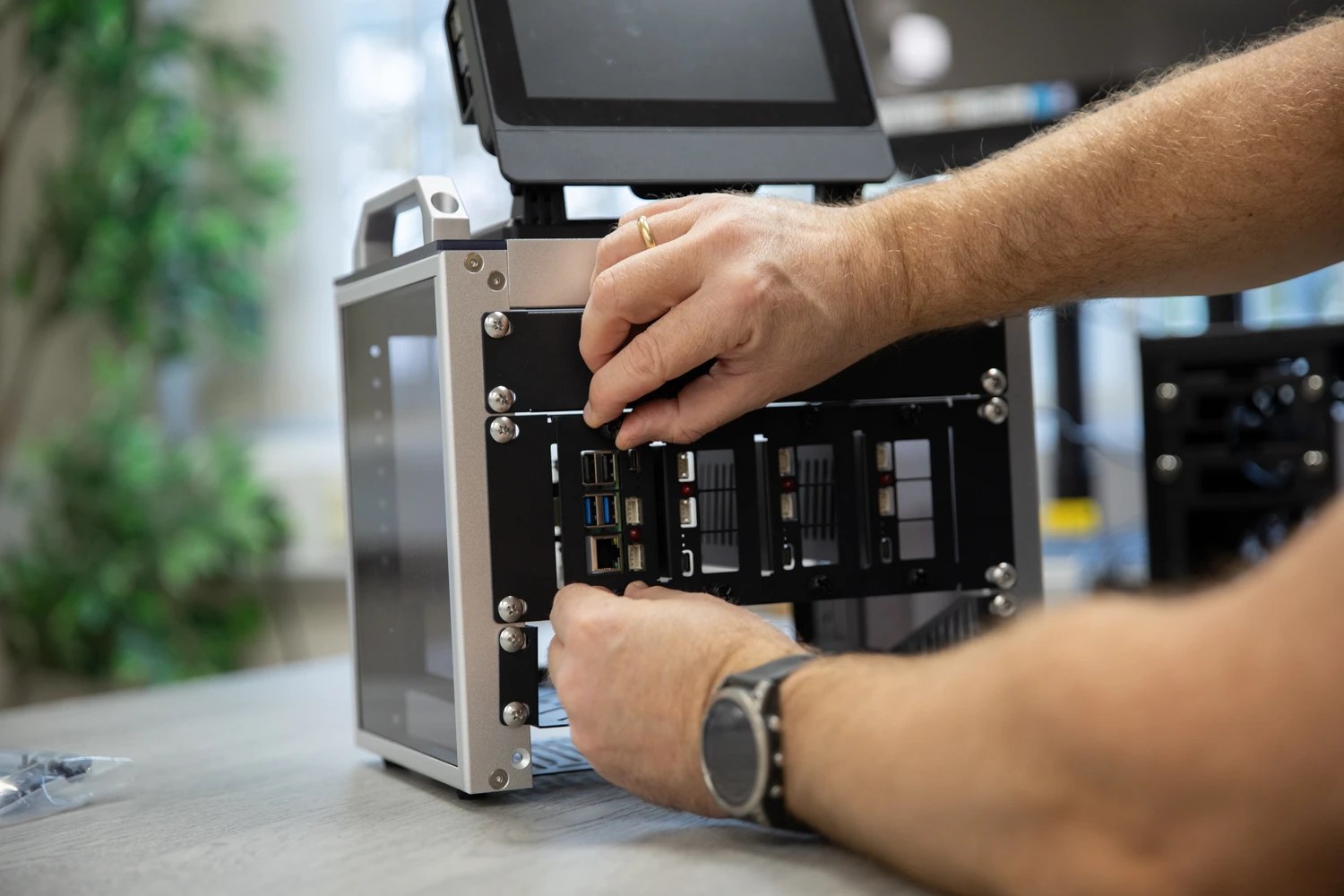
Organizations often begin their journey searching for Raspberry device management software free options to reduce upfront costs. While these free programs can provide simple monitoring capabilities as well as remote access, they rarely provide the comprehensive lifecycle management required for enterprise-grade deployments. As the number of devices increases, companies need more than dashboards and manual control. They require a system that handles provisioning, security monitoring of performance, compliance reporting, and tracking compliance automatically.
Internal staff is relieved of the burden of daily operations by a fully managed infrastructure. Instead of troubleshooting devices, patches, or responding to issues, companies can concentrate on innovation and growth. Every device is configured and implemented within the framework of ensuring stability and consistency. This operational model is not only a way to reduce downtime but also eliminates security flaws that are typically caused by a lack of update or improper configuration.
A Partnership Model for Scale
IoT ecosystems rarely succeed when built in isolation. They require an intelligent and strategic approach to planning and continuous optimization. An experienced Raspberry Pi partner with experience in designing will ensure that the hardware, software, and system’s structure are aligned from the beginning with the operational objectives. Instead of focusing on deployment as a single-time job this partnership creates an adaptable foundation that expands as the company grows.
Each managed services contract can be tailored to a client’s specific needs, which include the integration of hardware, platform management, and technical support, all within one operating agreement. This unifying structure makes communication easier and eliminates fragmentation between suppliers. Business owners can now have named technical contacts, established service level agreements and transparent reports that keep everyone well-informed.
Provisioning and configuration processes are made standard to ensure that devices are uniform across various locations. Every unit is built then tested and inscribing before deployment, ensuring that it performs at a consistent level from the first day. Continuous telemetry gives engineers real-time analysis of the device’s health and stability. This allows them to avoid system failures and spot irregularities before they escalate.
Operational Excellence Through Continual Management
Dependable IoT environments depend on proactive maintenance rather than reactive troubleshooting. Patching and updates that are properly managed will ensure operating systems and applications remain secure and stable. To ensure no interruptions and keep uptime, updates are thoroughly test prior to their deployment.
Operational workflows are also designed to meet compliance requirements. The reporting mechanisms are in line with the requirements of regulatory agencies, regardless of whether or not organizations have to adhere to ISO standards or SOC2 frameworks. This arrangement eases the burden of audits and improves security measures.
The value of managed services is further enhanced by performance optimization and planning. Regular system reviews are a great way to identify upgrades in equipment, energy efficiency, and balance of workload. Instead of waiting for equipment to fail or go out of date, infrastructure evolves strategically alongside the growth of your organization.
Cloud and Edge Technologies can be seamlessly integrated
Modern deployments require a tight integration of hardware at the edge with cloud ecosystems. Expert Azure consulting will help businesses connect devices in a secure manner to cloud platforms and improve data pipelines, workflows, analysis and automation. This synergy helps improve decision making and increased operational agility.
Professional IoT consulting also ensures the monitoring protocols, security protocols, and data governance frameworks work together. Engineers keep track of system performance 24/7 and react to any anomalies prior to them disrupting operations. Support options that are scalable allow companies to grow confidently with the confidence that they have the technical knowledge needed to support their device fleet grows.
Simple: the goal is for the most advanced edge systems to feel seamless. Scaler Pi helps make edge technology more accessible by combining the expertise of hardware with cloud-based technology. It provides a system that is streamlined where devices, data and operations all work seamlessly.
A Smarter Method to Manage Device Infrastructure
Managed service provides one point of responsibility in the design, hardware and monitoring. Predictable pricing models eliminate budgeting delays, while regular monitoring and automatic updates limit the risk of operating. Businesses can rest assured that their infrastructure will always be compliant and performing optimally.
As IoT ecosystems grow as they expand, the need for reliable operational frameworks is becoming crucial. Managed services will ensure that networks for devices are safe, efficient and up-to-date. This allows organizations to be innovative, without being held back by infrastructure management.