The aviation industry is evolving dramatically. It was associated for many years with airports and jobs on site. Remote airline jobs represent an important shift in the sector, owing to technological advancements and a growing importance on flexibility. The opportunities allow professionals to work in the aviation industry from the comfort of their homes or in remote locations, changing traditional career paths and offering unprecedented work-life balance.
The Emergence of Remote Airline Jobs
Traditionally the aviation sector was dominated by jobs requiring physical presence, such as pilots, flight attendants, ground staff, and customer service representatives. The rapid advancement of technology has changed the nature of the work that airlines do. The majority of jobs that were once requiring personal interaction are now completed online. From customer inquiries to data analysis, remote tasks for airlines are now an efficient and viable alternative.
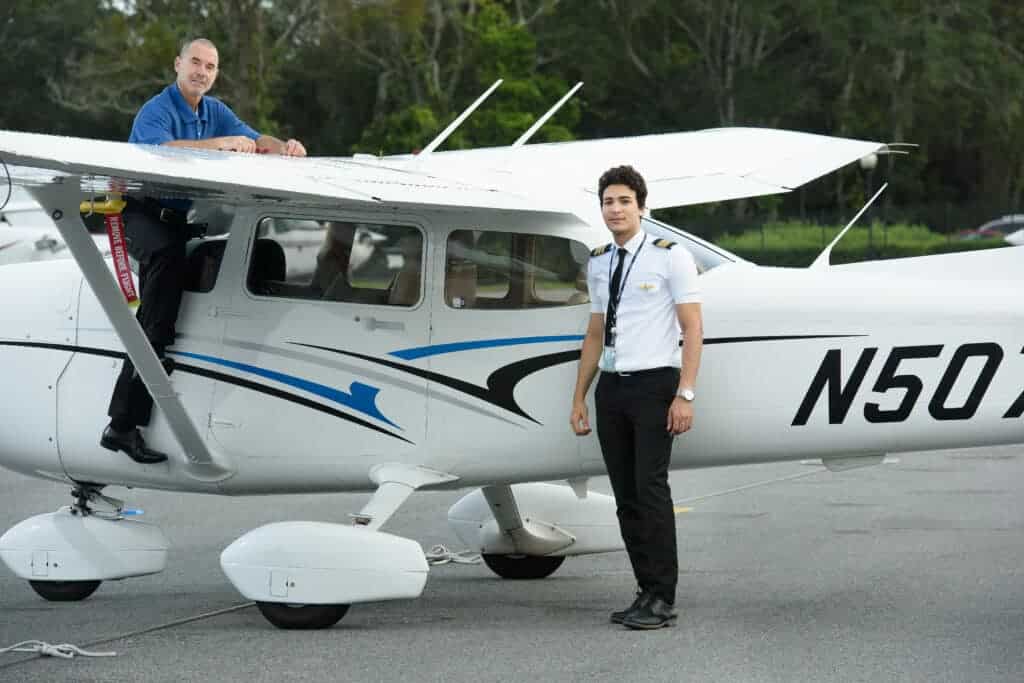
Image credit: flightschoolusa.com
This is not just about efficiency. For airlines, adopting remote working can save money through reducing overhead costs for office spaces. The flexibility of working at home reduces the stress of commutes, creates a healthier work-life balance and allows employees to explore global possibilities.
Roles of Remote Airline Jobs
Remote airlines jobs are extensive and encompass a variety of roles that require different expertise and skills. Some of the most popular positions include:
Customer Service Representatives: Managing issues and concerns in addition to handling reservations, is accomplished virtually. This makes customer service one the most sought-after remote airline jobs.
Revenue Management Analysts : These experts use data to optimize the price of tickets and revenue streams, working using advanced analytical tools from remote areas.
Airlines depend on marketing specialists to create campaigns, manage their social media accounts and increase engagement on the internet.
Travel Agents: Remote travel agents help clients with flight reservations and itinerary planning, leveraging technology to streamline the process.
IT and Cybersecurity Professionals supporting the airline system, ensuring data security, as well as maintaining IT infrastructure are essential tasks that can be efficiently performed remotely.
Remote airline jobs with benefits for flights Benefits
One of the most attractive features of remote airline jobs with flight benefits is the perfect mix of flexibility in the workplace and traditional aviation perks. These types of jobs are becoming popular for a number of reasons.
Work-Life Balancing: Remote roles enable employees to tailor their schedules according to their personal and professional obligations. This can lead to greater satisfaction with work.
Cost savings: Working from home allows you to reduce your expenses for the day such as transportation, meals and other costs of daily living.
Benefits of Travel: Many airlines provide remote employees with flight benefits like discounted or free travel. This not only increases satisfaction of employees, but also provides unique travel opportunities.
Remote access to the world: Remote positions enable professionals from diverse locations to join the aviation sector creating a more inclusive and diverse workforce.
Airlines Require Remote Workers to be skilled
To excel in remote airlines jobs, certain skills are essential:
Technical Proficiency – Familiarity of software tools and platforms in the aviation industry is critical to a smooth remote operation.
Communication Skills: Effective written and oral communication skills are crucial for an effective teamwork.
Time Management When working from a remote location the ability to plan tasks and adhere to deadlines is vital to the success of.
Problem-Solving: Remote tasks typically require quick thinking, and the ability to adapt to tackle issues without immediate assistance in person.
How to Find Remote Airline Jobs
It is vital to be prepared strategically before you apply for a remote position with an airline. Here are some ideas to help you prepare:
Look for job openings by visiting airline career websites or remote job boards.
Polish Your Resume by highlighting remote work experience, technical skills, and relevant certifications.
Use networking to your advantage: Join platforms such as LinkedIn to meet professionals in aviation and to learn about opportunities.
Prepare for interviews via virtual medium Answer questions that demonstrate your ability to manage tasks remotely and independently.
Remote Airline Jobs Future of Remote Airline Jobs
Remote jobs for airlines will continue to be in high demand as airlines develop. As communication technology, automation and data analytics advance the ability of ever for professionals to get work in the aviation industry from anywhere.
The rise of remote work is a reflection of a wider change in the workplace of today which emphasizes efficiency, flexibility and employee satisfaction. If you’re looking to make a career in aviation without the constraints of traditional jobs remote airline positions offer the possibility of a rewarding and sustainable career.
The opportunities for professionals allow them to benefit from both the benefits and the challenges of working remotely. Remote airline jobs that offer flight benefits are the ideal opportunity for those looking to launch their career, whether you’re an experienced aviation professional or a novice.